A small team, working slowly, on something tender.
Animus was built for the time when memory needs a place — when a voice someone left behind matters more than a perfect product.
We are not in a hurry. We work with people who have spent their careers near loss, so that what we ship is shaped by hands that know the weight.
A maker, working alone first.
Animus started as one person quietly building, with the goal of asking the right people for help before shipping anything that could hurt.

Yijie Ding
Designs and builds Animus end to end — the product, the code, the ethics work, and the hundreds of small choices in between. Wants the kind of memorial that doesn't shout.
 — signed
The advisors.
Practitioners who help us understand what care looks like — in classrooms, in counseling rooms, and in the quiet rooms after.

Mandi Nuo
Has been with this project since its earliest sketches. The questions Animus asks — and the way they unfold — took shape because she helped us see what to ask first.
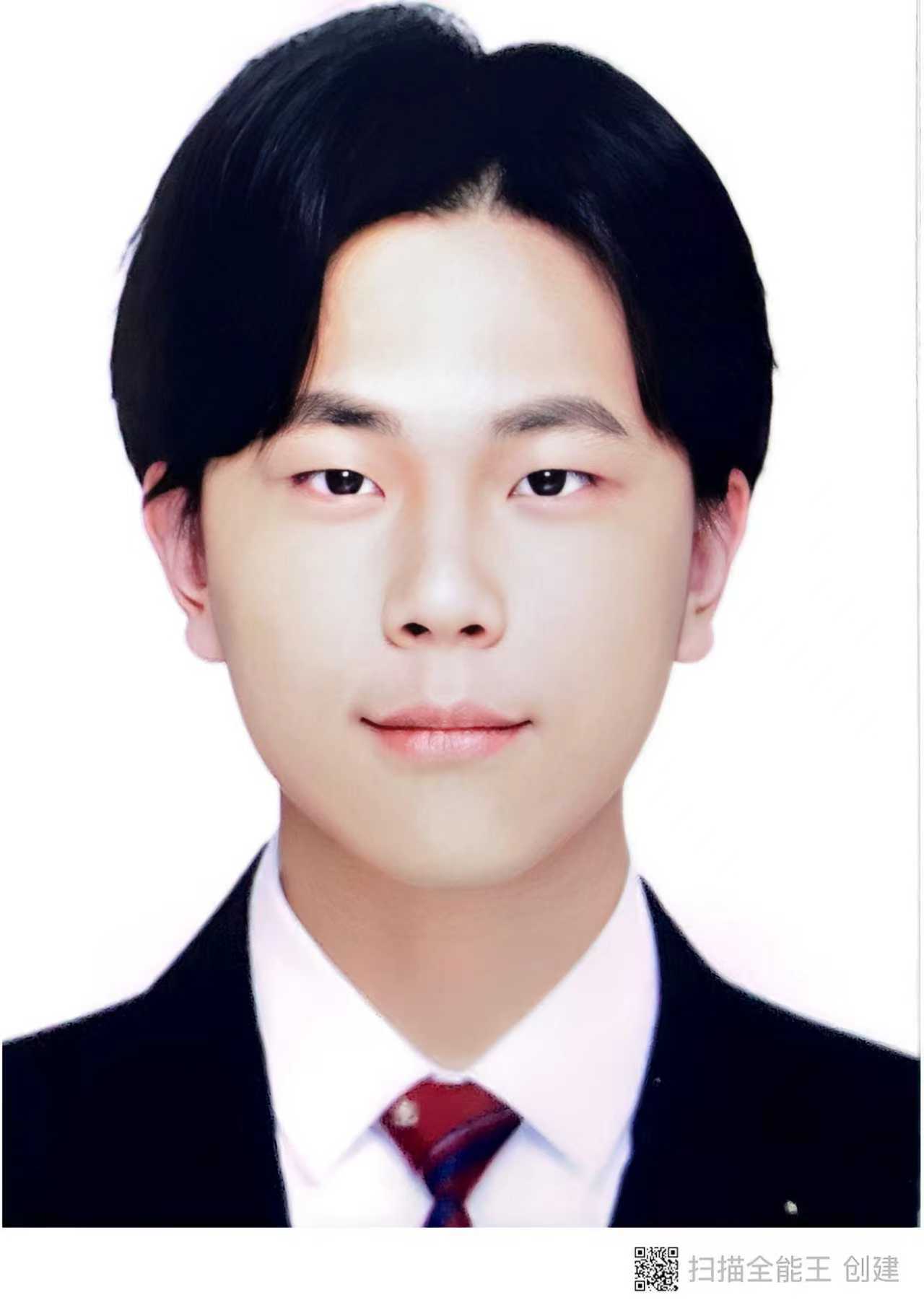
Xiao Shao
Our prompting advisor. How the AI listens, when it slows down, when it asks back — much of that thinking is his.
A few quiet rules.
Not features. Decisions we keep making, again and again.
The voice belongs to the person.
Voice samples train a model only for the recipients the owner chose. They are never used to train anyone else's product, and cloning stops the moment an account closes.
The AI is not the person.
Animus speaks from what someone wrote — not as them. When a recipient says something heavy, we step out of voice and become an assistant pointing toward real human help.
The person who owns it gets to leave it.
Trustees confirm; owners can dispute; sunset has a window. No one but the owner — and the people they named — has the keys.
There is no hurry.
We don't push notifications. We don't measure engagement. The good outcome here is that someone visits less often as time goes on — and one day stops needing to.
Animus is in pre-launch. We're keeping the room small while we shape it.